The global gaming industry is currently experiencing a massive wave of transformation, driven by rapid technological advancements and evolving player expectations. Developers are continuously pushing the boundaries of traditional design to deliver highly immersive and interactive experiences that keep audiences engaged for longer periods. From decentralized architectures to advanced procedural generation, these cutting-edge adjustments are redefining how we interact with virtual worlds.
The Rise of Adaptive AI Systems
One of the most significant breakthroughs in modern development is the integration of highly responsive, adaptive artificial intelligence. Unlike static systems that rely on predictable scripted behaviors, contemporary AI dynamically adjusts game environments and difficulty curves in real time based on player performance. This tailored approach ensures that the gameplay remains consistently challenging and engaging without causing unnecessary frustration.
Furthermore, these intelligent systems are capable of shaping unique narrative paths based on individual player choices and actions. By analyzing emotional and cognitive player responses, games can now co-create storylines alongside the user. This high level of personalization makes each session feel distinct, deeply connecting players to the digital landscape.
Immersive Environments and Real-Time Interaction
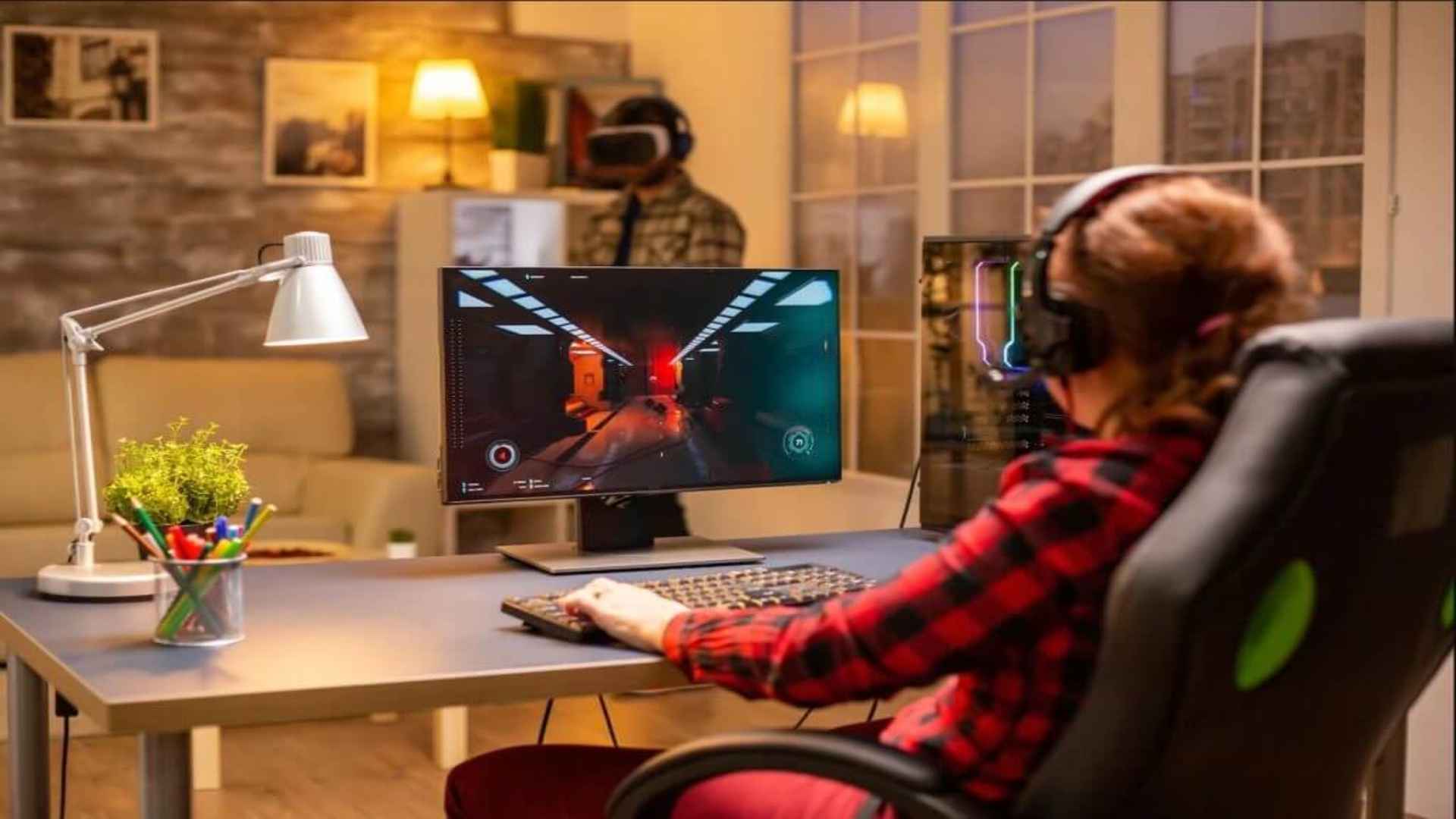
The evolution of virtual space design has paved the way for incredibly realistic and interactive digital playgrounds. Advanced lighting, realistic physical interactions, and spatial audio techniques work together to transport players directly into the center of the action. These visual and auditory enhancements turn simple virtual settings into fully realized, believable ecosystems.
Players looking for high-quality entertainment can experience these immersive elements across various online platforms, including the versatile environments of M88 casino. Engaging with modern, interactive digital interfaces offers a great way to observe how seamless mechanics and real-time feedback loop systems are executed today. These technical upgrades ensure that every action, from a simple click to a complex tactical choice, produces satisfying immediate results.
Procedural Generation and Seamless Worlds
Another game-changing innovation is the widespread implementation of advanced procedural generation algorithms. Instead of relying entirely on handcrafted, linear levels, developers can now generate vast, open worlds that expand dynamically. This technology allows for near-infinite replayability, as players can explore entirely new terrain with every single playthrough.
Importantly, this method significantly reduces loading times, creating seamless transitions between massive continents and micro-environments. By removing intrusive breaks in the gameplay, developers can successfully keep players in a state of deep psychological flow. The continuous immersion helps build a stronger connection to the digital world, encouraging deeper exploration and long-term engagement.
The Integration of Collaborative and Social Mechanics
Modern game design is also shifting its focus toward deeply integrated social features and collaborative mechanics. Multiplayer experiences are no longer limited to simple competitive matchups or basic co-op modes. Instead, contemporary systems encourage complex community-driven economies and shared global objectives that require real-world teamwork.
By fostering structured collaboration and direct communication, these designs build vibrant and resilient online communities. This social cohesion not only elevates the overall entertainment value but also ensures that games remain relevant for years. Ultimately, these gameplay innovations prove that the future of interactive entertainment lies in creating shared, dynamic, and highly personalized digital experiences.