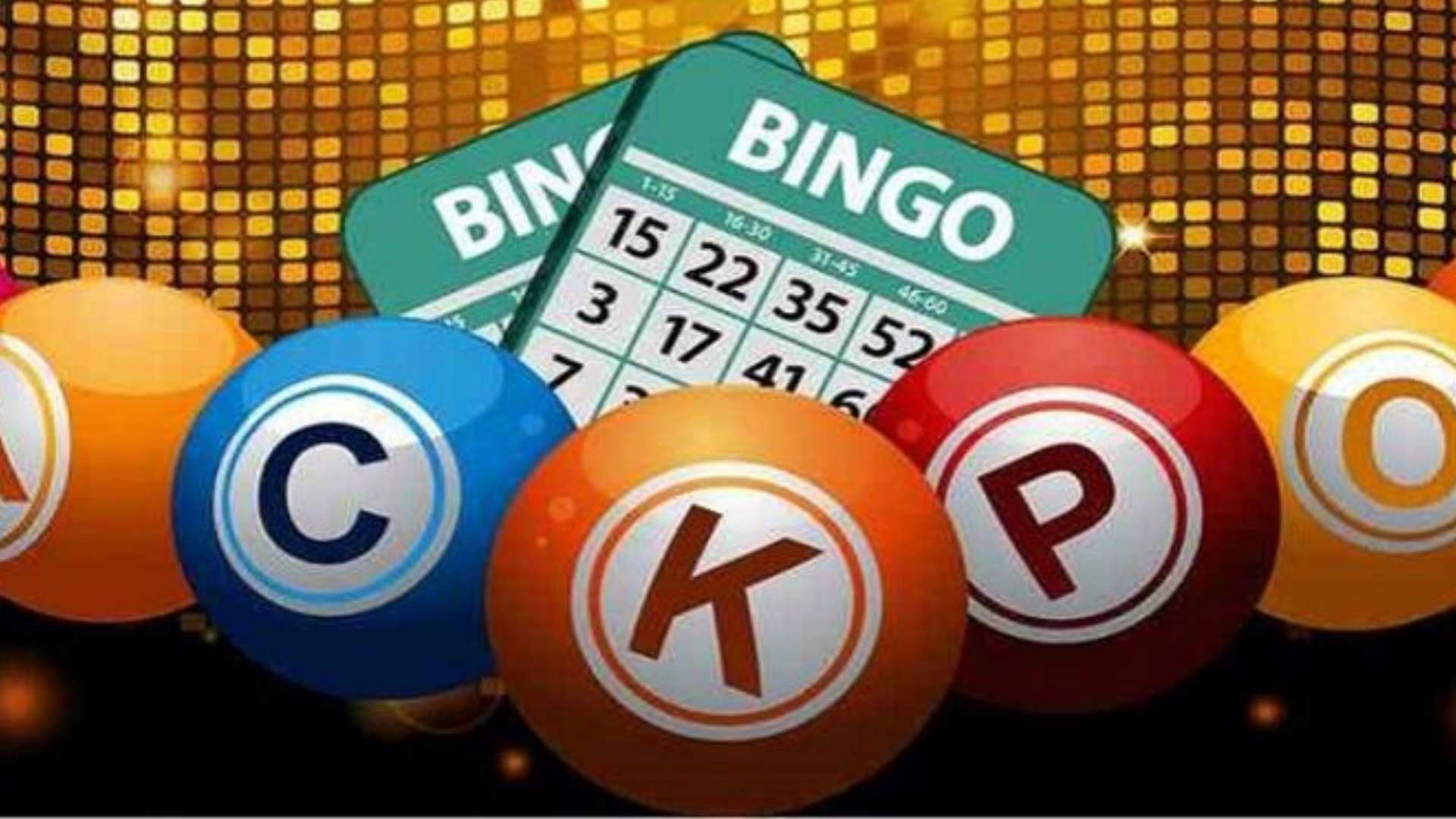
Modern marketing strategies frequently incorporate promotional giveaways to capture public attention and foster brand interaction. By pairing traditional randomized drawings with time-bound seasonal rewards, businesses can dramatically enhance participant enthusiasm and sustain engagement. Understanding how these tiered reward structures operate allows consumers to make informed choices while exploring digital campaign landscapes.
The Evolution of Modern Incentive Frameworks
Traditional sweepstakes typically relied on a singular grand prize to motivate audience participation, which often alienated casual entrants. Modern configurations resolve this issue by integrating smaller, structured rewards that provide immediate value throughout the promotional period. This multi-layered strategy ensures that the simple act of registering feels beneficial regardless of the final random outcome.
Furthermore, operators utilize these secondary incentives to maintain high retention rates over extended timelines. When participants know that regular engagement unlocks additional milestones, they are far more likely to remain active within the community. Consequently, these interactive elements turn standard digital lotteries into engaging virtual experiences.
Maximizing Engagement Through Tiered Structures
Tiered prize pools typically divide incentives into various categories, ranging from high-value digital gadgets to exclusive digital platform credits. By diversifying the available options, corporate organizations can successfully appeal to a much wider demographic of users. This inclusive approach removes the frustration often associated with low-probability contests that feature only one winner.
Additionally, participating in these campaigns requires minimal technical expertise, making them highly accessible to newcomers globally. Individuals looking for reliable platforms often look for verified verification methods to ensure absolute operational fairness. Accessing a trusted portal via an official M88 login can offer valuable insights into how secure random selection software functions.
The Role of Technological Transparency
As the popularity of randomized corporate giveaways continues to expand, maintaining complete transparency has become a top priority for developers. Digital promotional infrastructures rely heavily on advanced algorithmic tools to guarantee that every entry receives an equal opportunity. Verifiable randomization eliminates human intervention, building long-term consumer confidence in the host brand.
Moreover, transparent systems publicly display winning metrics and distribution tables to demonstrate compliance with legal guidelines. This public accountability protects the community from engaging with unauthorized or misleading promotional gimmicks online. Understanding these underlying mechanisms helps participants navigate digital sweepstakes safely and responsibly.
Strategic Participation for Regular Users
Approaching modern promotional activities with a structured plan can significantly improve a user's overall efficiency and experience. Instead of entering every available online drawing randomly, experienced enthusiasts focus strictly on campaigns that match their specific interests. This selective method saves considerable time while keeping the overall hobby enjoyable over the long run.
It is also crucial to thoroughly analyze the official rules and eligibility requirements before dedicating effort to any digital campaign. Small oversights, such as missing a mandatory registration deadline, can quickly disqualify otherwise valid entries. Maintaining an organized schedule remains the best approach for sustainable success in the modern promotional market.